
When you think about hand and upper extremity therapy, exercises, stretching, splinting, and hands-on treatment may be the first things that come to mind. But depending on your condition and treatment goals, your therapist may have another tool available: dry needling.
Dry needling is a treatment technique that may be used as part of a larger therapy plan to address pain, muscle tension, and movement limitations. For patients dealing with conditions affecting the shoulder, elbow, forearm, wrist, or hand, it can be a helpful addition to treatment when clinically appropriate.
What Is Dry Needling?
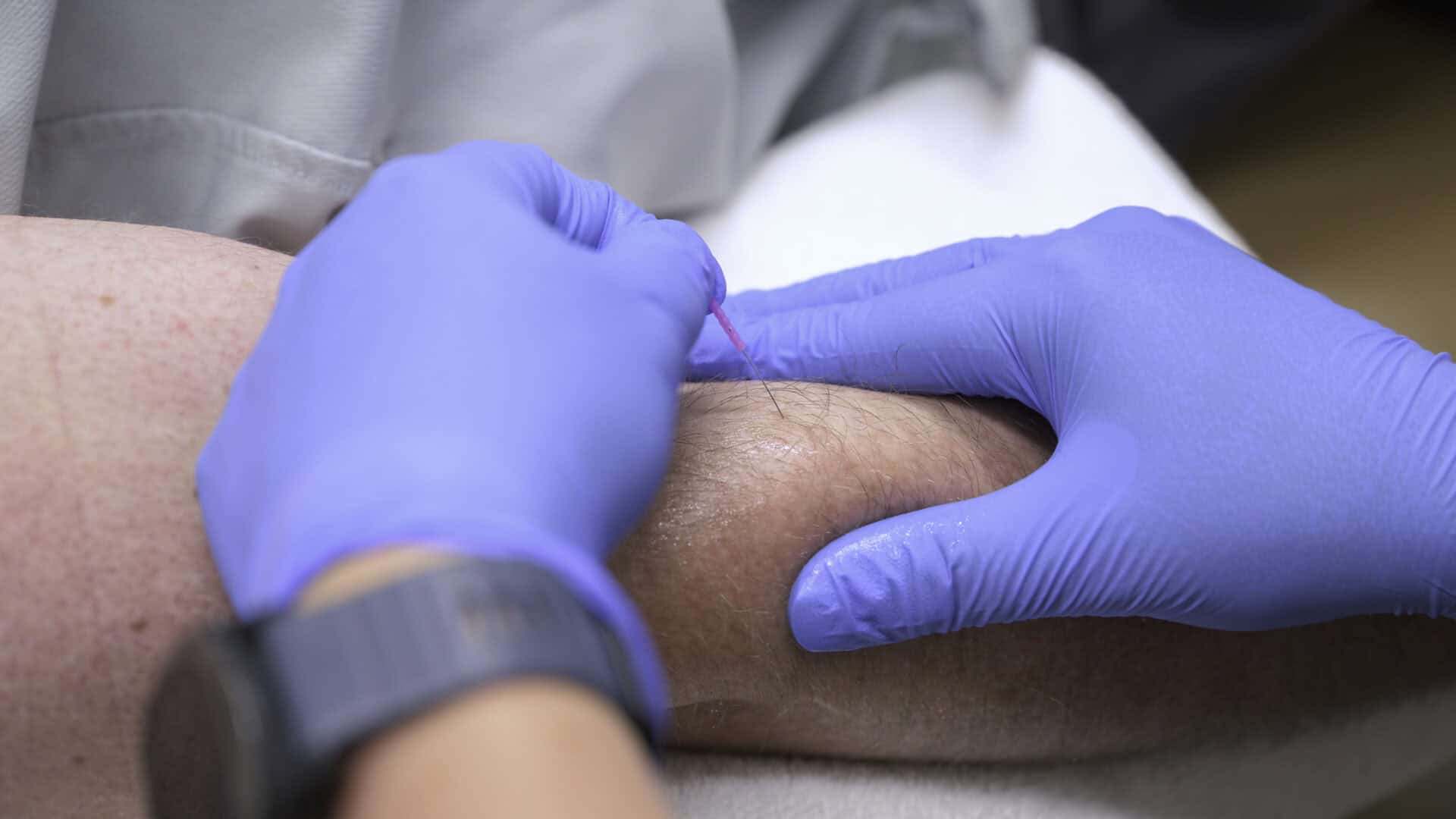
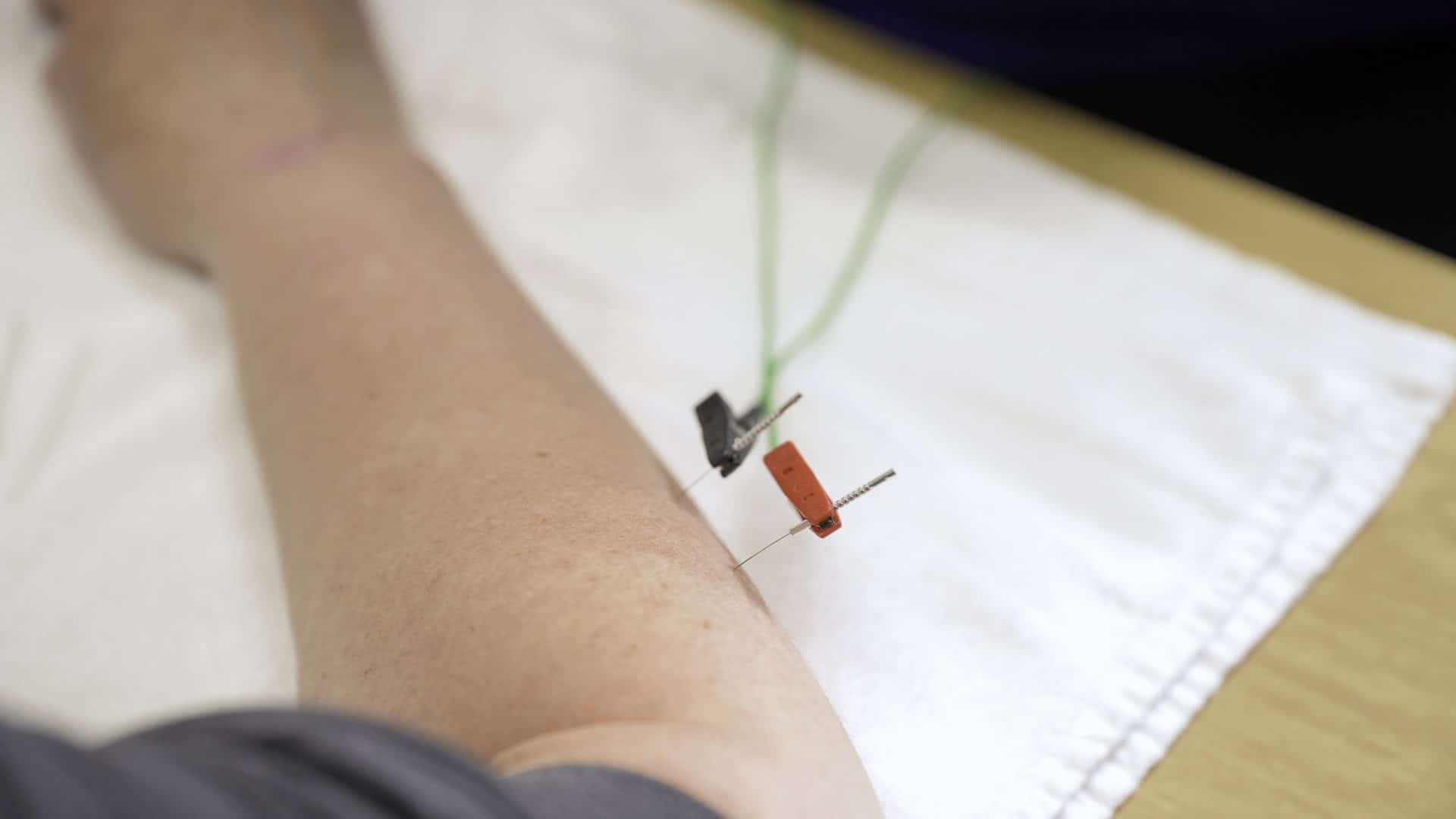
Dry needling involves inserting a very thin, sterile needle into specific muscles or other soft tissues identified by a trained healthcare professional.
Despite the name, nothing is injected into the body—the needle is “dry.” The goal is to target areas contributing to pain, muscle tightness, altered movement, or decreased function.
Your therapist may identify tight or sensitive areas within a muscle, sometimes referred to as trigger points. These areas can contribute to localized discomfort as well as pain that travels or is felt somewhere else in the arm.
Dry needling may be used to help decrease muscle tension, reduce pain, and improve mobility so that other parts of therapy can be more effective.
Why Use Dry Needling for the Upper Extremity?
The muscles of the upper extremity work together constantly. Something happening in one area can affect how another area moves and functions.
For example, tightness or irritation in the muscles of the forearm may contribute to pain around the elbow or wrist. Muscle guarding following an injury or surgery can also make it more difficult to regain normal movement.
In these situations, treating only the area where you feel pain doesn’t always address everything contributing to the problem.
Dry needling allows a trained therapist to target specific muscles and soft tissues that may be affecting your movement, comfort, or ability to use your arm normally.
What Conditions Can Dry Needling Help?
Depending on the individual patient and their diagnosis, dry needling may be incorporated into therapy for conditions involving:
- Tennis elbow or golfer’s elbow
- Forearm muscle tightness and overuse
- Wrist and hand pain
- Muscle-related shoulder or upper arm pain
- Repetitive strain and overuse injuries
- Myofascial pain and trigger points
- Muscle guarding following an injury
- Limited motion associated with muscular tightness
- Certain nerve-related symptoms when surrounding muscular tension is contributing to irritation
Dry needling isn’t appropriate for every diagnosis or every patient. Your therapist will consider your medical history, symptoms, precautions, and treatment goals before determining whether it may be beneficial.
Dry Needling Isn’t the Whole Treatment
One of the most important things to understand about dry needling is that it typically isn’t used by itself.
Think of it as one tool in the therapy toolbox.
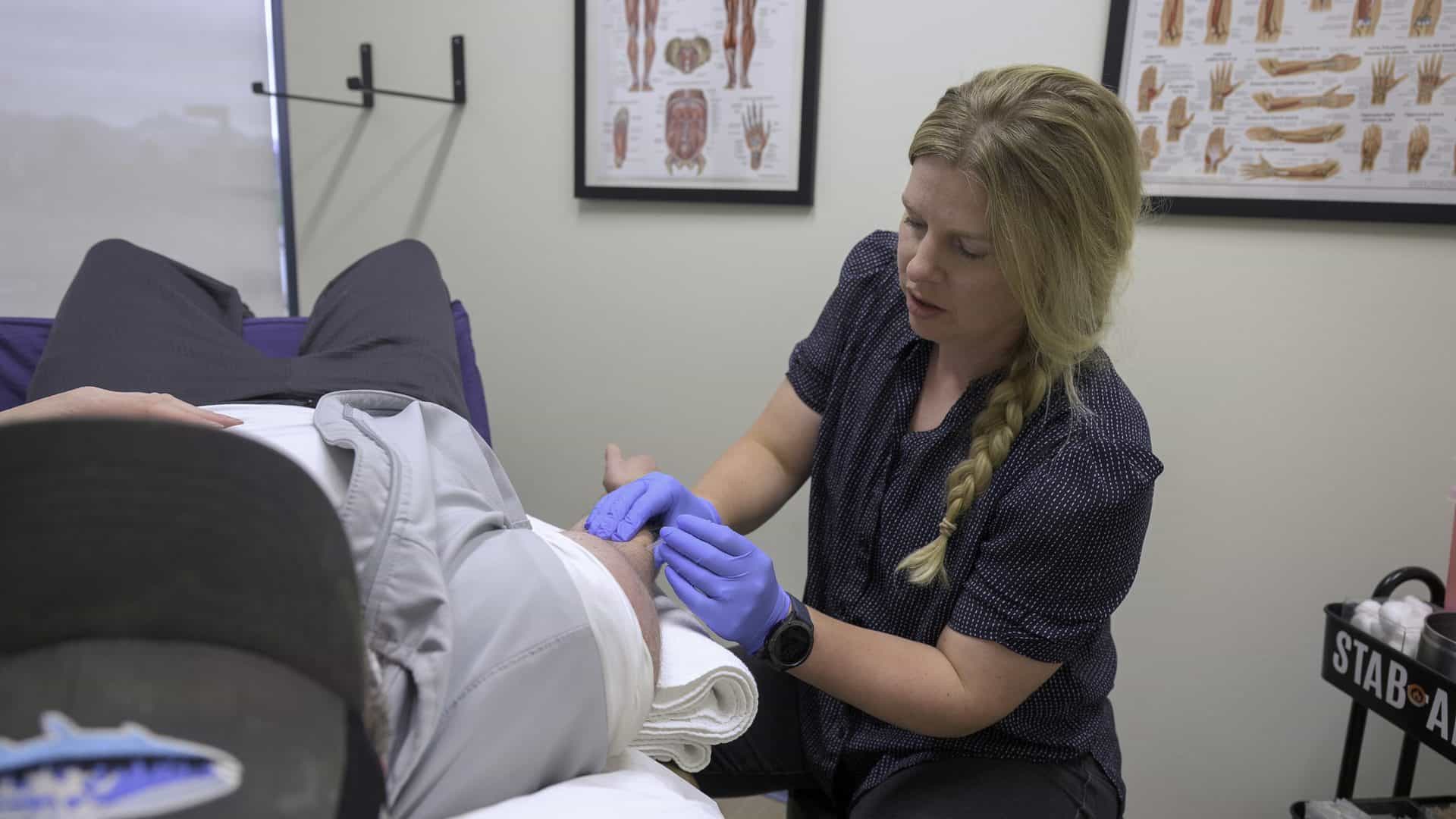
If pain and muscle tightness are preventing you from moving comfortably, dry needling may help reduce some of those barriers. Your therapist can then build on that improvement with therapeutic exercise, stretching, strengthening, manual therapy, movement retraining, education, or other treatments specific to your condition.
The goal isn’t simply to make an area feel better temporarily. In upper extremity rehabilitation, we’re ultimately working toward better function—whether that means returning to work, getting back to a hobby, recovering after an injury, or simply being able to use your arm and hand more comfortably throughout the day.
What Does It Feel Like?
Everyone experiences dry needling a little differently.
The needles used are very thin, so some patients barely feel the initial insertion. When the targeted tissue is reached, you may feel pressure, an ache, or a brief muscle twitch.
After treatment, the area can sometimes feel sore—similar to the soreness you might experience after a workout. Your therapist will let you know what to expect following treatment and provide any appropriate aftercare recommendations.
Is It the Same as Acupuncture?
Although both treatments use thin needles, dry needling and acupuncture are not the same treatment.
Dry needling is performed within a Western medicine and rehabilitation framework. The therapist selects treatment areas based on anatomy, examination findings, movement, symptoms, and the patient’s specific rehabilitation goals.
In an upper extremity therapy setting, dry needling is incorporated into the patient’s overall plan of care rather than functioning as a separate treatment approach.
Is Dry Needling Right for You?
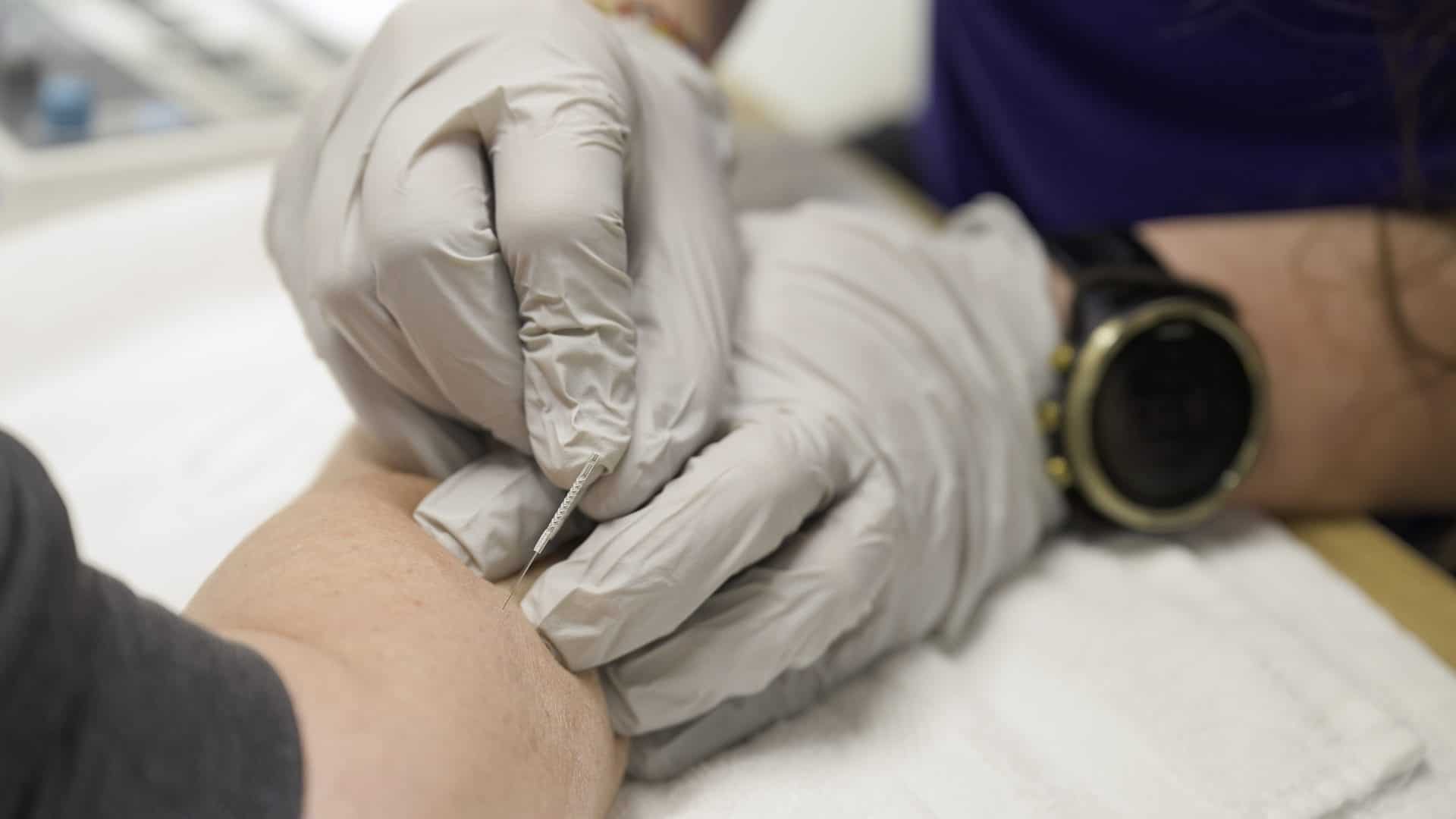
Maybe—but that decision should be made between you and a healthcare professional who is trained in dry needling and understands your specific condition.
Every patient’s injury, pain, medical history, and goals are different. Your therapist will evaluate what’s contributing to your symptoms and determine which treatment techniques are appropriate for you.
For some patients, dry needling can be a valuable addition to upper extremity therapy by helping decrease pain or muscle tension and creating an opportunity to move more comfortably.
And sometimes, getting things moving a little more comfortably is exactly what we need to help you take the next step forward.
Curious About Dry Needling?
If you’re experiencing pain, tightness, or difficulty using your shoulder, elbow, forearm, wrist, or hand, our team at Alaska Hand Rehabilitation can help determine what’s contributing to your symptoms and develop a treatment plan designed around you.
Ask your therapist whether dry needling may be an appropriate part of your treatment plan.