
Nutrition after surgery plays an important role in helping your body heal, repair tissue, and recover as smoothly as possible. While rest is essential, the foods and fluids you consume during recovery can also make a meaningful difference. Prioritizing nutrition after surgery may help reduce inflammation, support tissue repair, and improve overall post-operative outcomes. For effective recovery, consider these nutrition after surgery tips.
Nutrition after Surgery Tips:
Manage Inflammation During Recovery
Inflammation is a normal and necessary part of the healing process, especially in the early stages after surgery. However, too much inflammation can contribute to tissue damage, increased pain, and joint stiffness. One of the benefits of proper nutrition after surgery is that it can help support healthy inflammation levels.
To help manage inflammation during recovery:
- Eat more anti-inflammatory fats, such as avocados, olive oil, fatty fish like salmon and sardines, mixed nuts, flaxseeds, and chia seeds.
- Prioritize antioxidant-rich foods, which can help reduce inflammation, combat oxidative stress, and protect healing cells. Examples include berries, citrus fruits, spinach, kale, bell peppers, and carrots.
- Avoid pro-inflammatory foods, such as heavily processed foods high in saturated fats, vegetable oils, excessive alcohol, fried foods, and refined sugar.

Prioritize Protein for Tissue Repair
Protein is one of the most important parts of nutrition after surgery because it supports tissue repair and regeneration. Eating enough protein helps your body rebuild and recover more effectively. A general goal is around 1.5 grams of protein per kilogram of body weight.
Good sources of protein include minimally processed meats, legumes, eggs, Greek yogurt, and tofu.
Consume Collagen to Support Connective Tissue
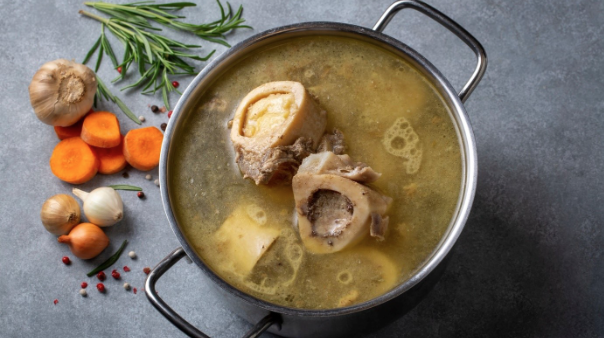
Another important part of nutrition after surgery is collagen. Collagen plays a key role in rebuilding ligaments, tendons, and cartilage after injury or surgery. It also provides structure and support to the skin and bones. Including collagen in your recovery plan may help strengthen connective tissue and support the healing process.
Good sources of collagen include bone broth, collagen supplements, chicken skin, gelatin, shellfish, nuts, and seeds.
Add Vitamin C to Support Collagen Production
Vitamin C is essential for collagen synthesis. Without enough vitamin C, newly produced collagen is weaker and less stable. As part of good nutrition after surgery, increasing vitamin C intake can help support stronger collagen production and tissue repair.
Good sources of vitamin C include citrus fruits, bell peppers, and strawberries.

Prioritize Healthy Fats
Healthy fats are another valuable part of nutrition after surgery because they support cell membrane integrity and provide energy reserves needed for long-term healing. They may also help raise HDL, or “good” cholesterol, and lower LDL, or “bad” cholesterol.
The Mediterranean diet is an excellent way to incorporate both healthy fats and anti-inflammatory foods into your routine after surgery.
Good sources of healthy fats include avocado, fatty fish such as salmon and sardines, olive oil, avocado oil, almonds, and walnuts.
Stay Hydrated
Hydration is an essential part of nutrition after surgery. Drinking enough fluids helps maintain skin turgor and supports oxygen delivery to healing tissues. Aim for at least 8 cups of water per day.
Coconut water can also be a helpful natural source of electrolytes to support hydration and maintain electrolyte balance.
Increase Ginger Intake
Fresh ginger contains bioactive compounds that may help reduce muscle pain and stiffness, making it a useful addition to nutrition after surgery.
Ways to incorporate fresh ginger include:
- Adding it to smoothies
- Making ginger tea
- Drinking ginger kombucha
- Adding it to dishes such as stir fry or curry
- Using ginger powder in baked goods or dry rubs
Start Healthy Nutrition Habits Before Surgery
Nutrition after surgery is important for recovery, but healthy nutrition choices before surgery can be just as beneficial. Research has shown that improving your nutrition before a procedure may help improve post-operative outcomes and support a faster recovery.
Recipes to Try
Antioxidant Smoothie
https://www.food.com/recipe/super-antioxidant-smoothie-431167
Low-Sugar Natural Electrolyte Drink
https://www.eatingwell.com/homemade-electrolyte-drink-8785287
Anti-Inflammatory Avocado Tuna Spinach Salad
https://www.eatingwell.com/recipe/7939121/avocado-tuna-spinach-salad/
Disclaimer
The information provided in this blog is for educational and informational purposes only and is not intended as medical advice. Always consult your primary care physician or a qualified healthcare provider before making any changes to your diet, nutrition, or health routine.